

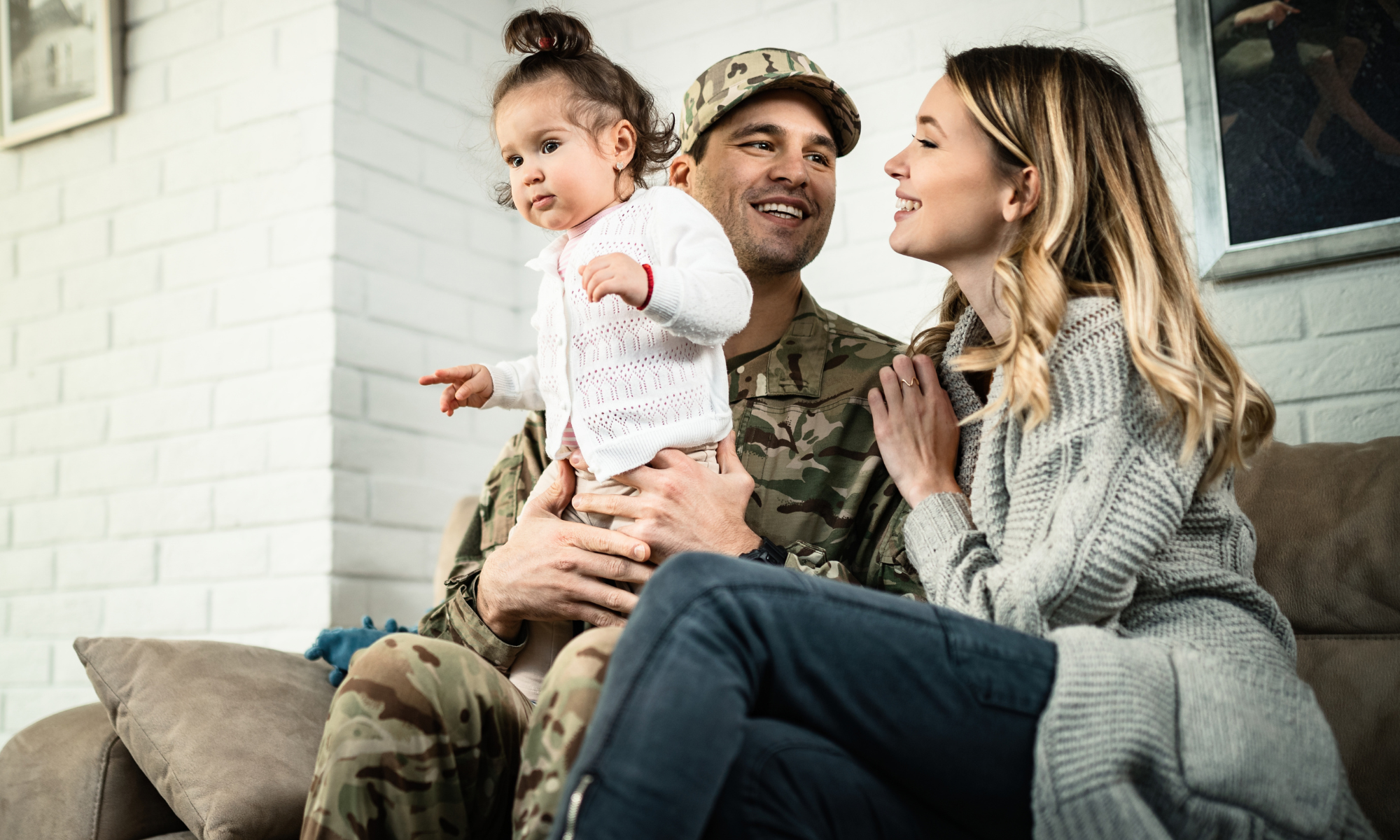
For many veterans, the effects of service do not end when they return home. Post-Traumatic Stress Disorder (PTSD) can continue to affect daily life long after military service ends, shaping sleep, mood, relationships, focus, and overall well-being. The good news is that treatment continues to evolve, and veterans now have access to more effective, more personalized options than ever before.
At Meah Modern Psychiatry, our licensed psychiatrists understand the unique and often layered mental health challenges veterans face. We believe care should address the whole person, not just a diagnosis. That is why we offer comprehensive, integrative treatment options designed to support long-term healing.
Understanding PTSD in Veterans
PTSD is a mental health condition that can develop after experiencing or witnessing trauma. For veterans, that trauma may stem from combat, military sexual trauma, life-threatening missions, severe accidents, or the loss of fellow service members. In many cases, the emotional effects of these experiences can surface months or even years later.
Common causes of PTSD in veterans include:
- Exposure to combat or hostile environments
- Witnessing injury or loss of life
- Military sexual trauma
- Surviving attacks, accidents, or other life-threatening events
Recognizing the Symptoms of PTSD
PTSD can look different from person to person. Some veterans experience symptoms immediately, while others notice them much later. Symptoms can be emotional, physical, cognitive, and relational.
Common PTSD symptoms in veterans may include:
- Flashbacks or intrusive memories
- Nightmares and disrupted sleep
- Hypervigilance or feeling constantly on edge
- Emotional numbness or detachment
- Avoidance of reminders tied to trauma
- Irritability or mood changes
- Difficulty maintaining relationships
These symptoms can be deeply disruptive, especially when left untreated.
How PTSD Can Affect Daily Life
PTSD often reaches far beyond the original traumatic event. It can affect relationships, work performance, physical health, and a veteran's sense of connection to the people around them. Many veterans with PTSD also experience depression, anxiety, or substance use concerns at the same time, which can make symptoms feel even more overwhelming.
Without proper care, PTSD can contribute to social isolation, family strain, and a significantly reduced quality of life. With evidence-based treatment and consistent support, recovery is absolutely possible.
Traditional PTSD Treatments for Veterans
Many veterans begin care with well-established, evidence-based treatment approaches. These often include therapy, medication, and group support.
Therapy
Common therapeutic approaches for PTSD include:
- Cognitive Behavioral Therapy (CBT)
- Prolonged Exposure Therapy (PE)
- Eye Movement Desensitization and Reprocessing (EMDR)
Medication
Some veterans benefit from medications such as SSRIs, SNRIs, or other treatments designed to support mood stabilization and reduce anxiety.
Group Support
Peer-led support groups and VA mental health programs can also play an important role in helping veterans feel understood and less alone in the recovery process.
Breakthrough PTSD Treatment Options in 2025
Mental health treatment continues to advance, and veterans now have access to innovative therapies that can complement traditional care.
Transcranial Magnetic Stimulation (TMS)
TMS is a non-invasive treatment that targets areas of the brain involved in mood and trauma processing. It may be a strong option for veterans who have not responded fully to medication or therapy alone.
Virtual Reality Exposure Therapy
This approach uses immersive simulations to help veterans safely process traumatic memories in a controlled, therapeutic environment.
Psychedelic-Assisted Psychotherapy
Guided treatment involving ketamine, and in some areas other emerging therapies such as MDMA or psilocybin, is creating new possibilities for emotional breakthroughs and trauma healing where legally available.
The Meah Modern Psychiatry Difference
At Meah Modern Psychiatry, we do not believe in a one-size-fits-all model. Veterans deserve care that is personalized, coordinated, and practical. Our goal is to bring multiple treatment options together in one place so patients can receive thoughtful, consistent care without feeling fragmented between providers.
At Meah, veterans can access:
- Licensed psychiatrists with expertise in veteran mental health
- Talk therapy, medication management, and advanced treatment options
- Holistic support, including health and fitness guidance
- Insurance-friendly care with transparent billing
- In-person and telepsychiatry appointments with easy scheduling
This integrative model allows every part of a treatment plan to work together more effectively.
Lifestyle Support That Can Strengthen Recovery
Healing from PTSD does not only happen in the therapy room. Lifestyle support can make a meaningful difference in how veterans feel day to day.
At Meah, holistic support may include:
Nutrition for Brain Health
Dietary guidance that supports mood, focus, and emotional regulation.
Mindfulness and Stress Reduction
Breathing exercises, guided meditation, and movement-based practices such as yoga can help support nervous system regulation.
Fitness Integration
Exercise recommendations can be tailored to the individual's physical needs, energy levels, and recovery goals.
Supporting Families and Relationships
PTSD does not just affect the individual. It can impact spouses, children, friends, and the family dynamic as a whole. Education and family therapy can help loved ones better understand what the veteran is experiencing and learn how to provide meaningful support.
Building Long-Term Resilience
Recovery also involves learning how to manage symptoms over time. Many veterans benefit from practical tools that help them feel more in control of their progress, including symptom tracking, reflection, grounding exercises, and realistic goal-setting. These skills can support long-term resilience and help create a stronger sense of stability moving forward.
Finding the Right PTSD Care
Choosing the right PTSD treatment matters. Veterans should look for providers who offer evidence-based care, personalized treatment planning, and a more integrative approach to healing. You deserve more than symptom management alone. You deserve care that sees the full picture.
PTSD can be isolating, but veterans do not have to navigate it alone. With the right support, meaningful recovery is possible. Whether treatment includes therapy, medication, TMS, lifestyle support, or a combination of approaches, the goal is the same: helping veterans feel safer, stronger, and more like themselves again.
At Meah Modern Psychiatry, we are committed to providing compassionate, expert mental health care tailored to the unique needs of each veteran. If you are ready to explore PTSD treatment options, our team is here to help.
.png)
.png)
.png)
